
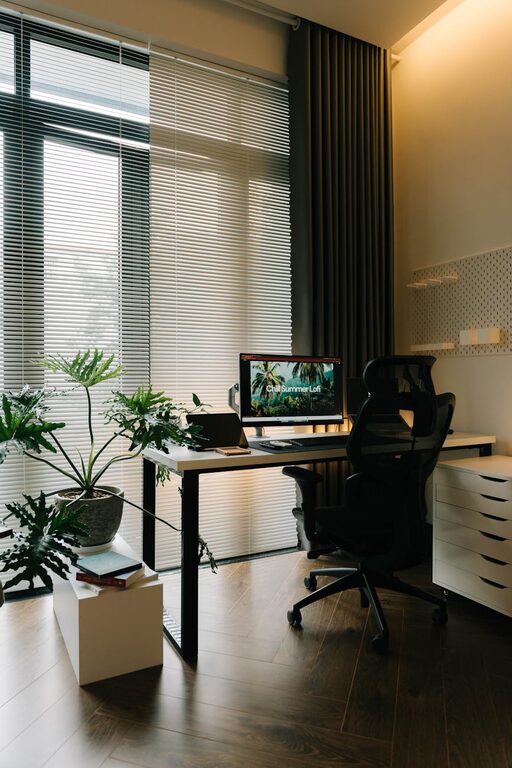
Creating a relaxing home workspace is key to maintaining productivity and well-being, especially as more people work remotely. Your environment plays a crucial role in how you feel and perform throughout the day. A calm, organized space can help you focus better, reduce stress, and make work more enjoyable.
In this guide, we’ll explore simple and effective tips to create a home workspace that promotes relaxation and productivity.
Why a Relaxing Workspace Matters
A workspace that feels cluttered or chaotic can increase anxiety and make it harder to concentrate. On the other hand, a well-designed, relaxing area helps clear your mind and keeps distractions to a minimum. This balance fuels creativity and motivation, making it easier to complete tasks efficiently.
Choosing the Right Location
Find a Quiet Spot
If possible, select a quiet area of your home where interruptions are minimal. This might be a spare room, a corner in the living room, or even a dedicated nook.
Consider Natural Light
Place your desk near a window to take advantage of natural light. Sunlight can improve mood and energy levels, which supports sustained focus.
Designing Your Workspace for Comfort
Invest in Ergonomic Furniture
An ergonomic chair and desk setup helps prevent discomfort and posture issues. Choose a chair with good lumbar support and a desk at the right height to keep your wrists and arms comfortable.
Keep it Clutter-Free
A tidy workspace reduces distractions and stress. Use organizers, shelves, and drawers to store supplies neatly. Only keep essentials on your desk to avoid visual overload.
Adding Calming Elements
Use Soft Colors
Colors impact mood. Soft blues, greens, and neutrals tend to create a peaceful atmosphere. Consider painting the walls or adding accessories in these shades.
Incorporate Plants
Indoor plants brighten the space and improve air quality. They also provide a subtle connection to nature, which can lower stress and increase focus.
Play Soft Background Music or Ambient Sounds
If you enjoy background noise, consider gentle music, white noise, or nature sounds. These can mask distracting noises and help maintain concentration.
Organizing Your Workday
Set Clear Boundaries
Define specific work hours and breaks to maintain balance. Having a routine helps your brain associate your workspace with productivity.
Use Tools to Stay Organized
Digital calendars, to-do lists, or project management apps can keep your workload structured. Physical planners or sticky notes also work well for some.
Take Regular Breaks
Short breaks improve mental clarity and prevent burnout. Try techniques like the Pomodoro method – 25 minutes of focused work followed by a 5-minute break.
Personalizing Your Space
Add Inspiring Décor
Decorate with items that motivate you, such as photos, quotes, or artwork. Keep it minimal to avoid clutter.
Let in Fresh Air
Open a window regularly to refresh the air in your workspace. Good ventilation helps keep you alert and comfortable.
Minimizing Digital Distractions
Manage Notifications
Turn off non-essential notifications on your computer and phone during work hours to reduce interruptions.
Use Website Blockers
If you find yourself distracted by certain sites, use apps or browser extensions that limit access during work periods.
Final Thoughts
Creating a relaxing home workspace isn’t about perfection but about building a comfortable and supportive environment where you can thrive. By paying attention to your physical space, organizing your time wisely, and personalizing your setup, you’ll enhance your productivity while feeling more relaxed and satisfied throughout your workday.
Try incorporating these tips gradually and adjust as needed to find what works best for you. A calm, inviting workspace is an investment that pays off in well-being and success.